A Comprehensive Guide to Choosing the Best Skylights for Your Space
Choosing the right skylights can considerably influence a home's ambiance and energy performance. Each variety offers distinct benefits, from enhanced natural light to enhanced ventilation. However, selecting the ideal skylight requires thoughtful evaluation of various factors, including materials, size, and placement. Homeowners must consider these factors thoroughly. Understanding these factors is crucial for making an informed decision that enhances both functionality and style. What lies ahead in this planning process?
Discovering the Benefits of Skylights for Your House
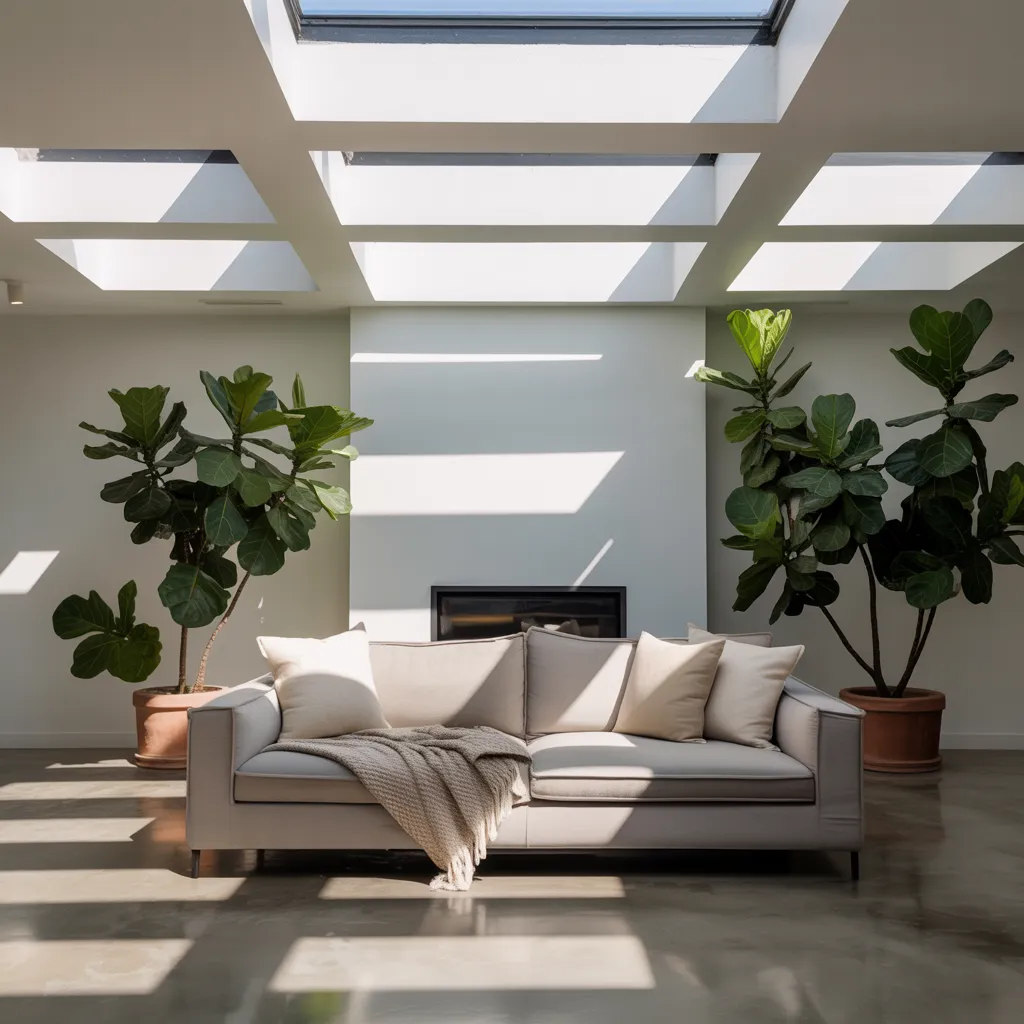
Skylights provide numerous advantages that can significantly improve a home's character and efficiency. They channel natural light into spaces that might otherwise feel shadowy or restricted, creating a warmer and more comfortable environment. This influx of daylight can reduce reliance on artificial lighting, leading to reduced energy costs. Additionally, skylights can boost air circulation, especially when operable models are chosen, allowing hot air to exit and fresh air to enter.
In addition, skylights establish a connection to the outdoors, giving occupants a glimpse of the sky and surrounding landscape. This visual link can elevate one's mood and encourage overall wellness. Moreover, carefully positioned skylights can elevate the architectural beauty of a home, contributing a modern element that can increase property worth. In summary, the rewards of skylights surpass mere beauty, enhancing energy savings, convenience, and an enhanced quality of life within the home.
Exploring the Different Kinds of Skylights: Identify Your Best Fit
When examining skylights, it is essential to recognize the various types available, each offering unique benefits designed for different areas. The decision on a skylight can greatly impact illumination, energy performance, and visual appeal, making the optimal placement vital. By comparing these factors, homeowners can determine the best fit for their specific needs.
Skylight Types Explained
Natural light can transform a space, and choosing the appropriate type of skylight is crucial for achieving the intended effect. There are numerous types of skylights to consider, each crafted for particular functions and visual appeal. Fixed skylights provide a stationary source of light, suitable for locations where ventilation is not needed. Ventilated skylights, alternatively, can be opened to admit fresh air, making them an excellent choice for kitchens and bathrooms. Tubular skylights guide natural light through reflective tubes, excellent for more confined areas. Additionally, dome skylights feature a distinctive design and are frequently used in commercial environments. Understanding these options helps determine which skylight aligns best with the specific needs and style of a space.
Perks of Every Type
Picking the ideal skylight can considerably elevate both aesthetics and practicality in any area. Each type delivers distinct features designed for specific needs. Stationary skylights, for instance, offer plentiful natural light and are well-suited for improving a space's brightness without ventilation. Opening skylights, in contrast, improve air circulation, making them appropriate for wet areas and cooking spaces. Tubular skylights are a excellent option for smaller or confined areas, delivering diffused light without compromising on space. Skylights featuring integrated blinds offer versatility, allowing users to manage light levels and privacy. Lastly, energy-efficient models assist in lowering heating and cooling costs, contributing to overall energy savings. Knowing these advantages is vital for arriving at a knowledgeable conclusion.
Ideal Installation Locations
Skylight placement plays an essential role in optimizing their advantages and improving the overall aesthetic of a space. Prime locations encompass spaces that benefit from natural light, such as living rooms, kitchens, and bathrooms. South-facing skylights are ideal for harvesting sunlight across the entire day, while north-facing choices offer uniform, soft light with no harsh glare. Furthermore, east-facing skylights welcome morning light, encouraging a bright beginning to the day, whereas west-facing installations capture afternoon sun, ideal for evening relaxation. For rooms with high ceilings, installing skylights near the apex can create a dramatic effect and improve ventilation. Ultimately, the choice of skylight type and location should align with the specific lighting needs and architectural style of the space.
Essential Factors to Consider When Choosing Your Skylights
When selecting skylights, it is essential to consider your natural lighting requirements and energy-saving options. Different spaces may require varying levels of illumination, impacting the selection of skylight placement and size. Furthermore, energy-saving models can greatly reduce climate control costs, making them an excellent investment.
Natural Light Needs
Natural light plays an essential role in elevating the mood and usability of any room, as it affects both emotional well-being and energy conservation. When deciding on skylights, it is essential to examine the unique natural light demands of the room. Reflect on the room's intended use; as an example, common areas gain from generous light, while sleeping spaces may need more subdued lighting. The orientation of the space also matters; south-facing skylights typically absorb more light across the day, while north-facing selections deliver a more uniform, gentle illumination. Moreover, the proportions and form of the skylights should match the intended brightness, fostering a well-balanced atmosphere. At the core, comprehending these considerations confirms that the right skylights satisfy the individual lighting demands of each room.
Efficient Energy Options
Energy efficiency is an essential factor when evaluating skylight options, as it directly impacts both operational costs and environmental responsibility. When considering available options, factors such as glazing type, frame materials, and insulation properties must be carefully considered. Double or triple-pane glass provides superior thermal performance, limiting thermal transfer in both winter and summer seasons. Low-E coatings further enhance energy efficiency by reflecting infrared light while allowing visible light to pass through. Additionally, skylights with thermally efficient frames, such as vinyl or composite materials, resist thermal transfer. Correct installation is critical to eliminate air infiltration, maintaining peak functionality. Choosing ENERGY STAR-rated skylights can substantially decrease energy expenses while promoting a more sustainable living environment.
Choosing the Right Size and Placement for Skylights
Selecting the right positioning and dimensions for skylights is important for optimizing their advantages. The dimensions of a skylight should correspond to the dimensions of the room and the required degree of natural light. Larger openings can considerably enhance the brightness of a space but may call for careful evaluation to minimize heat buildup or glare.
Positioning is just as crucial; in an ideal setup, skylights ought to be placed to capture the most sunlight throughout the day while reducing direct sunlight during peak sunlight hours. This can improve both energy efficiency and overall comfort.
Consideration of room function is important; as an example, a kitchen can greatly benefit from a skylight installed over work surfaces, while aesthetic considerations may take precedence in a living room. In addition, reviewing the existing structural characteristics and roof angle can guide the selection of ideal positions. Proper sizing and strategic placement ultimately contribute to a harmonious blend of natural light and environmental control, elevating the general atmosphere of the area.
Essential Skylight Materials to Know
When evaluating skylights, the selection of materials plays a crucial role in their long-term performance and lifespan. Frequently utilized materials include glass, acrylic, and polycarbonate, with each offering its own set of advantages. Glass is commonly chosen for its robustness and ability to resist UV rays but may prove to be heavier and pricier. It additionally offers superior clarity and thermal insulation when constructed with double or triple glazing.
Acrylic, being lightweight and more impact-resistant, makes for a find guide popular selection among those looking for affordability. However, it may scratch more easily and can be less effective at insulating than glass.
Polycarbonate is another strong option, known for its high impact resistance and energy efficiency. This material additionally delivers UV protection, rendering it appropriate for diverse climate conditions.
When all is said and done, the decision regarding skylight materials should be in line with the distinct needs of the space, carefully balancing aesthetics, functionality, and budget.
Is It Better to DIY Your Skylight or Bring in a Pro?
How can someone determine whether to tackle a skylight installation as a DIY project or work with a professional contractor? This choice frequently depends on a number of factors, including technical ability, overall project scope, and safety requirements. For individuals with extensive experience in home improvement and a detailed familiarity with roofing systems, a DIY approach may be feasible. They could benefit from reduced labor costs and take pride in finishing the project on their own.
However, skylights necessitate precise installation to stop leaks and maintain structural integrity. Working with a professional can reduce risks, particularly for people lacking experience with roofing or construction. Skilled contractors offer expertise, specialized tools, and familiarity with local building codes, which can expedite the process and elevate overall quality. In the end, weighing personal ability against the complexities of skylight installation will assist homeowners in making an informed choice between DIY and professional assistance.
Improving Energy Efficiency Through Skylights: Tips and Tricks
Skylights can significantly improve a home's energy efficiency, most notably when carefully situated and expertly fitted. To achieve the greatest advantage, homeowners should consider the orientation of the skylights; south-facing skylights take in generous amounts of sunlight, whereas north-facing choices deliver steady, soft light without unwanted heat buildup. Installing low-emissivity (Low-E) glass helps reduce heat transfer, maintaining cooler indoor temperatures in summer and warmer conditions in winter.
Moreover, installing blinds or shades can likewise regulate temperature and light, enabling versatile energy management. Effective insulation along the skylight frame is vital to prevent air infiltration, which can contribute to significant energy waste. In addition, selecting energy-efficient options that meet ENERGY STAR® standards can considerably lower energy costs for heating and cooling.
Routine upkeep, encompassing cleaning and inspecting seals, ensures lasting peak efficiency. By implementing these suggestions, skylights can serve as an effective tool in attaining improved energy efficiency in any space.

Common Questions and Answers
In What Ways Do Skylights Impact Indoor Temperatures Throughout the Year?
Skylights can considerably influence indoor temperatures year-round. In summer, they may increase heat gain, while during winter, they help maximize natural light and warmth. Careful positioning and planning are critical for achieving ideal thermal comfort.
Are Skylights Compatible with All Roof Types?
Skylights cannot be installed on every type of roof. Their installation depends on roof pitch, material, and structural integrity. Conducting a proper assessment ensures maximum performance and reduces the risk of leaks or structural concerns in the long run.
What Upkeep Do Skylights Need Over Time?
Skylights demand regular maintenance, which includes washing the glass surfaces, checking seals for leaks, and evaluating the flashing condition. Occasionally, homeowners should assess the condition of the surrounding roof to ensure adequate drainage and prevent water damage over time.
Are Skylights Able to Help Lower Electricity Bills?
Skylights can certainly contribute to reducing energy expenses by increasing natural light in a space, consequently minimizing dependence on electric lighting. This may result in considerable energy savings, most notably in strategically located and adequately insulated setups.
What Are the Best Brands for Skylights?
Leading skylight brands include Velux, Fakro, and Roto. These brands have earned recognition for their quality, energy efficiency, and innovative designs, which makes them top choices among homeowners and contractors pursuing perfect natural lighting solutions.
Comments on “Skylights Rooflights for Brighter Homes”